
Souss Massa National Park is one of Morocco’s richest birdwatching destinations, known for its mix of wetlands, dunes, estuaries, cliffs, and open plains that offer ideal habitats for both resident and migratory species. Located south of Agadir on the Atlantic coast, the park is a biodiversity hotspot and an essential site for anyone interested in Morocco birding.
Before visiting, you can browse our list of bird species in Morocco to learn more about the birds commonly seen across the country.
What Makes Souss Massa National Park Essential for Morocco Birding
Souss Massa National Park is one of the most ecologically diverse areas in Morocco. Its habitats—including Oued Souss, Oued Massa, and the Sidi R’bat cliffs—attract hundreds of bird species throughout the year. Thanks to its location along the Atlantic migration route, the park is especially important during spring and autumn, when thousands of migratory birds stop to rest and feed.
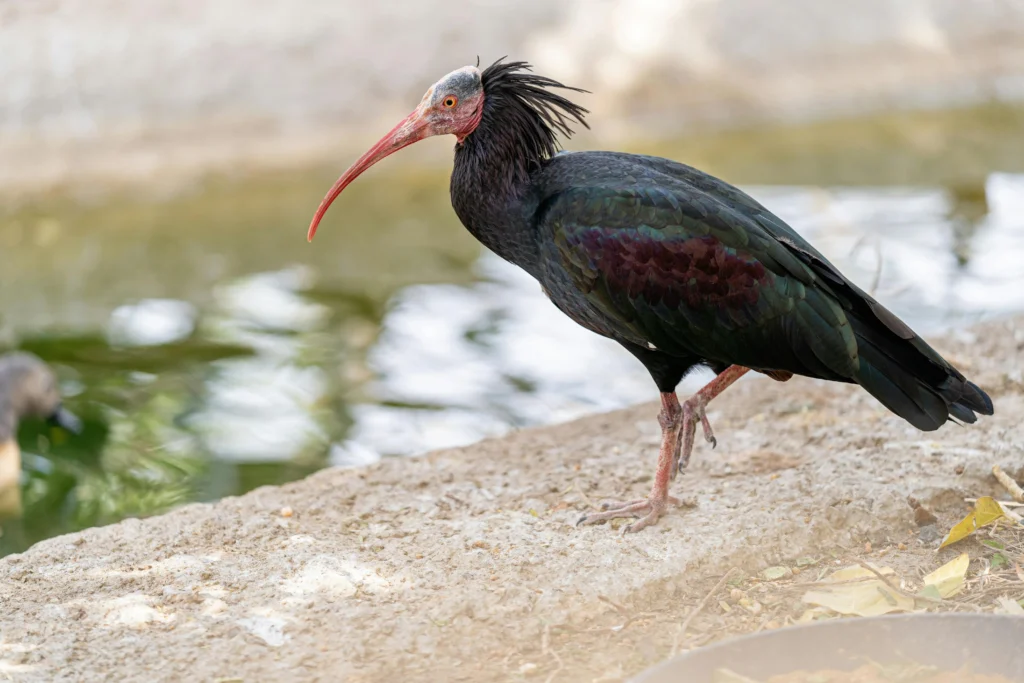
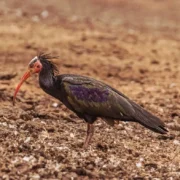
One of the most significant reasons birdwatchers visit Souss Massa is the Northern Bald Ibis (Geronticus eremita). The park is home to the world’s most important wild population of this critically endangered species. Conservation projects involving BirdLife International and Moroccan authorities help protect this species and the surrounding habitats.
With wetlands, estuaries, savannas, agricultural fields, and coastal plains, the park provides excellent viewing conditions for both resident and migratory birds.
To explore more birding opportunities across Morocco, visit our Birding Day Trips.
Top Bird Species and Birdwatching Hotspots in Souss Massa National Park
Signature & Most Iconic Species
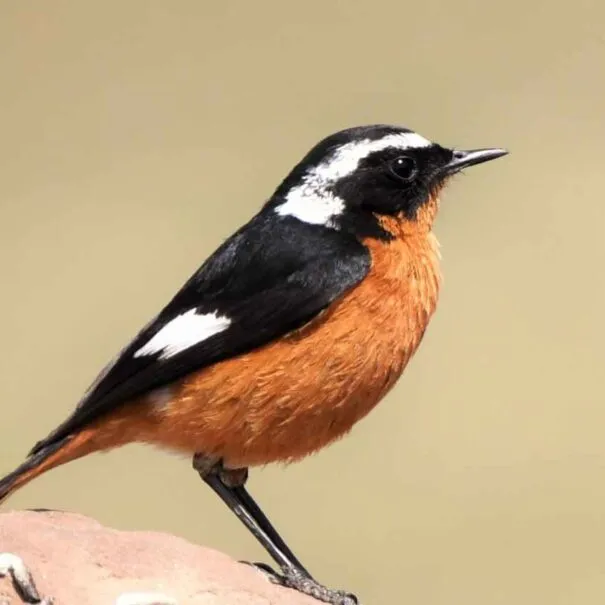
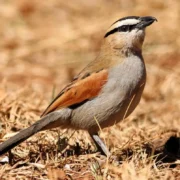
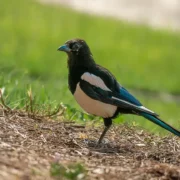
Visitors to Souss Massa National Park can expect to see some of Morocco’s most emblematic birds. The Northern Bald Ibis remains the top highlight, with feeding groups and roosting flocks found throughout the park’s coastal plains. Other highly sought-after species include Moussier’s Redstart, easily seen in scrub and orchards, the Black-crowned Tchagra calling from dense bushes, and the distinctive Moroccan Magpie, common around villages and agricultural fields.
Resident & Common Species
Across the park’s villages, farms, dunes, and open scrub, birdwatchers regularly encounter a variety of resident species. These include Sardinian Warbler, Spotless Starling, Laughing Dove, Black Wheatear, Brown-necked Raven, Fulvous Babbler, and Common Bulbul, all of which can be seen with little effort throughout the year. These species bring constant activity to the landscape and are ideal for beginners and seasoned birders alike.
Desert & Steppe Habitats
The drier plains and open steppe areas of Souss Massa are home to several desert-adapted species. In these habitats, it is realistic to encounter the elegant Cream-colored Courser patrolling the flat ground, along with larks such as Greater Short-toed Lark and Bar-tailed Lark. Desert Wheatears appear mainly in winter, while the Trumpeter Finch—though more localized—is a regular sight around rocky and sandy areas.
Wetlands, Estuaries & Coastal Zones
The mouths of Oued Massa and Oued Souss support large numbers of waterbirds, especially during migration and winter. Typical species include Marbled Duck, Eurasian Spoonbill, Ruddy Shelduck, Greater Flamingo, Black-winged Stilt, and Kentish Plover. Waders such as sandpipers and plovers are common, particularly in autumn. Along the coast and estuaries, birders can also observe Little Tern, various herons including Grey Heron and Purple Heron, and a wide selection of gulls and migratory shorebirds.
Migratory & Seasonal Species
Because Souss Massa lies on a major migratory route, many species pass through the park during spring and autumn. Seasonal birds frequently encountered include Osprey, Booted Eagle, Short-toed Snake Eagle, European Bee-eater, Woodchat Shrike, Whinchat, and Subalpine Warbler. These migrants add excitement and diversity, with the highest activity between March and May and again from September to November.
Top Birding Areas Inside the Park
Oued Massa is a prime area for waterbirds, passerines, and Bald Ibis feeding flocks. Expect plenty of ducks, warblers, and herons.
Oued Souss, located near Agadir, is one of Morocco’s most productive birding areas. It is famous for waders, flamingos, gulls, and wintering waterbirds.
Sidi R’bat Cliffs offer one of the most reliable locations to observe the Northern Bald Ibis roosting or feeding along the coastline.
The coastal dunes and steppe habitat are excellent for larks, wheatears, coursers, and other desert-adapted species.
Planning Your Birdwatching Trip to Souss Massa National Park
Best Time to Visit
- Spring (March–May): Peak migration with maximum diversity.
- Autumn (September–November): Excellent for shorebirds and raptors.
- Winter (December–February): Flamingos, waders, ducks, and desert species.
- Summer: Fewer migrants, but great for residents including Bald Ibis.
Birding Tips for the Best Experience
- Visit early morning or late afternoon for the highest bird activity.
- Bring binoculars or a spotting scope for long-distance viewing.
- Respect conservation zones, especially Bald Ibis nesting areas.
- Coastal light and open landscapes make it excellent for photography.
Guided Birdwatching Tours
While the park is easy to explore independently, a guided tour ensures you experience the best habitats and maximize your chances of seeing the Northern Bald Ibis and many other species.
Our Birding Tours include a dedicated excursion to Souss Massa National Park designed for birdwatchers of all levels.
Conclusion
Souss Massa National Park is one of Morocco’s finest birdwatching destinations, combining rich habitats, rare species, and spectacular coastal scenery. From the globally important Northern Bald Ibis to colorful residents like Moussier’s Redstart and unique desert birds such as the Cream-colored Courser, the park offers outstanding birding opportunities throughout the year.